
Supercommunicators: How to Unlock the Secret Language of Connection
Connection is a method and you can master it with practice

The book in three sentences
Supercommunicators are individuals who have mastered skills that enable instant connection, and this is due primarily to how they ask deep questions.
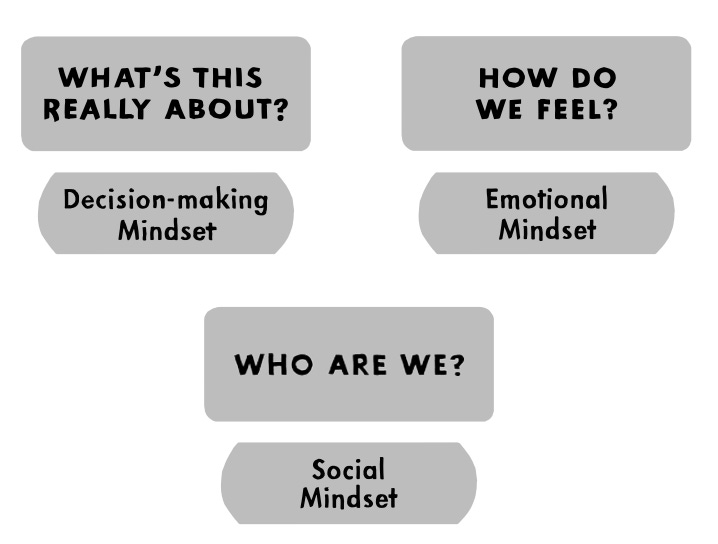
Duhigg reveals that every dialogue runs on three tracks: practical problems, emotional experiences, and identity values.
Great communicators don’t just speak clearly; they listen for the type of conversation and adjust their response accordingly.
Why I Picked It Up
I first came across this book in Copenhagen's airport, in one of those “top 10 non-fiction” bookshelves they keep on display, to be later retargeted by Duhigg's TED Talk in one of my YouTube sessions.
I’ve always thought I was pretty clear in how I talk. But what I realized is that I often miss what the other person actually wants from the exchange. Here are three reflections that stayed with me:
Conversations Happen on Three Levels
Matching the Tone and the Energy
How to Make Conversations Land
Conversations Happen on Three Levels
Every conversation contains three overlapping questions:
What’s this about?
How do we feel?
What does this say about us?
Duhigg breaks down conversations into three tracks: practical (solving a problem), emotional (processing a feeling), and identity (protecting or revealing who we are).
Most communication fails because people are talking on different levels. You’re solving a problem, they’re expressing a fear. You’re focused on facts, they’re navigating self-worth. The mismatch creates distance, even if the words sound right.
Curiosity is key for the supercommunicator, not charm or verbosity. It’s the ability to pause and ask, “Wait—what kind of conversation is this?”
That question alone can shift everything. It slows things down. It creates space. It puts both people in the same mode of listening.
Since reading the book, I’ve started labeling conversations in real time. Am I hearing a feeling or a request? Am I answering a logistical question or something more profound? That shift alone has made me slower to speak and quicker to connect.
Matching the Tone and the Energy
The way something is said matters as much as the words themselves.
Skilled communicators pay attention to tone, rhythm, and emotional intensity. They slow down when someone hesitates. They let silence linger when it’s needed. They respond calmly when the other person feels tense. They stay in sync.
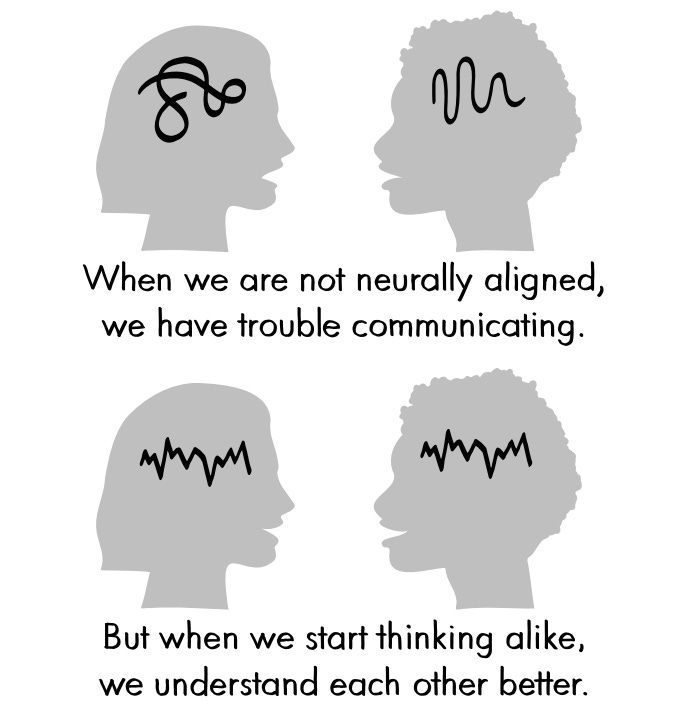
I’ve seen myself miss this. I jump in too fast. I focus on clarity and outcomes. But not every moment calls for progress. Some call for alignment. Matching someone’s energy isn’t about imitation—it’s about respect.
You respond at their pace, not yours. You meet them where they are.
That’s what presence looks like. And it’s what opens the door for trust.
How to Make Conversations Land
The best part of the book is how tactical it gets with its “guides to using these ideas.”
I will focus on a few key questions I noted, as well as parallels with notes I gathered from 'Never Split the Difference' and the playbook of CIA negotiators.
Duhigg shares a set of questions that help align conversations in real time:
“Do you want help or just someone to talk to?”
“Is this about the decision or how it was made?”
“Is there something about this that feels personal to you?”
These questions help you tune into the emotional level of a conversation; they create space and slow things down. I’ve found myself using them not just at work, but with friends, family, and dates.
Following up with depth
The book also changed how I think about deep questions, the ones that invite someone to share more than just surface-level details, questions that tap into our emotions, feelings, and identities.
I started testing these questions in events, dates, randomly at the gym, and even in Eastern Europe, where the stigma is often perceived as less friendly people who don't smile as much, the difference between a flat “what do you do?” versus “how do you feel about where you are right now?” is striking.
You can memorize questions, get a deck with conversation starters, or whatever it takes to get reps and make these more natural to how you express genuine curiosity when connecting with others.
Super communicator meets negotiation

Some of these tactics echo what Chris Voss wrote about in Never Split the Difference, or what CIA field operatives use in high-stakes dialogue:
Mirroring the last few words someone says.
Labeling what you hear in their tone.
Staying with the silence instead of rushing to fill it.
These moves help people feel heard. They let you stay in rhythm with what the other person can actually receive.
During a strategy week in Canada, I joined a high-stakes session with VPs and C-levels to align on a 3-year plan for one of our car brands. I didn’t say much. But when I did, I reflected what I’d heard, connected a few threads, and asked a question that helped everyone take a step back. That moment kept coming up afterward. It didn’t land because it was clever—it landed because it was paced right, and in sync with the group.
The book also changed how I think about deep questions. I used to treat them as conversation starters. Now I see them as a way to meet someone at a more honest level.
Instead of asking “what do you do?” I ask “how do you feel about where you are right now?”
Instead of “what’s next?”—“what’s pulling you forward these days?”
I keep a deck of deep question cards in my living room. I use them with friends, and sometimes with people I’ve just met. They help break the script. They open something up.
Listening, mirroring, pacing, asking better questions—this isn’t theory. It’s how conversations open up. It’s how they land.
A Note from Me
This book reminded me that communication is a two-player game—and sometimes the best move isn’t to say something smarter, but to switch lanes entirely.
In life and business, connection often begins when we stop trying to be right and start trying to be in sync.
Next month, I will be in Warsaw bringing a summary of the book with personal experience notes to the stage.

What to Read Next
Check the summary for The Mom Test, the most recommended Product book.
A deep question asks about someone’s values, beliefs, judgments, or experiences, rather than just facts. Asking a deep question should feel like sharing. Studies show people are nearly always happy to have been asked, and to have answered, a deep question.